When the Goliath Strikes: Finding Faith in the Face of Overwhelming Odds:

Father, I pray whoever is reading this, that your divine power and love be filled in their minds, hearts and souls In Jesus Name.

Life throws punches. Sometimes, those punches come in the form of a personal Goliath – a seemingly insurmountable challenge that looms large, casting a shadow of fear and doubt. It could be a daunting illness, a crushing financial burden, a fractured relationship, or an overwhelming sense of failure. Whatever form your Goliath takes, it can leave you feeling like David facing a giant – hopelessly outmatched and paralyzed by fear.

But the story of David and Goliath (1 Samuel 17) is not just a tale of courage in the face of adversity; it’s a testament to the power of faith. Here, amidst the clash of bronze and the roar of defiance, we find timeless principles that can guide us when our own Goliaths rise.

1. Remember Who Holds the Power:

Goliath, clad in heavy armor and wielding a massive spear, embodied earthly power. Yet, David, a shepherd boy with a slingshot, stood firm. He knew his strength came not from his physical prowess but from his unwavering faith in God. As he declares,

“You come against me with sword and spear and javelin, but I come against you in the name of the Lord Almighty, the God of the armies of Israel, whom you have defied” (1 Samuel 17:45). When challenges threaten to overwhelm us, we must remember that true power resides not in wealth, status, or physical strength, but in our connection to the divine.

2. Fear Not:

Fear is a natural response to danger. However, when we allow it to consume us, it paralyzes our ability to act. David, though young and outmatched, wasn’t paralyzed by fear. Instead, he focused on his faith. He recounted past victories, reminding himself of God’s past interventions: “The Lord who rescued me from the paw of the lion and the paw of the bear will rescue me from the hand of this Philistine” (1 Samuel 17:37). By recalling past instances of God’s faithfulness, we can build confidence and courage to face our present struggles.

3. Trust in the Process:

David didn’t charge at Goliath head-on. He used his skills, his slingshot, and his faith. Likewise, when we face our Goliaths, we need to identify our strengths and resources. Perhaps it’s seeking professional help, leaning on a supportive community, or simply taking small, incremental steps. Trust that God will guide you through the process, even if the path isn’t always clear.

4. Prepare for Battle, But Hope for Peace:

David went into the battle equipped with a weapon. We too need to be prepared for the challenges we face. This might involve acquiring new skills, seeking knowledge, or building resilience. However, while we prepare for battle, we should never lose sight of hope for a peaceful resolution. Just as David’s victory ultimately brought peace between the Israelites and Philistines (1 Samuel 17:51-53), overcoming our Goliaths can pave the way for a brighter future.

The Bible offers a wealth of scriptures that provide comfort and strength in times of adversity:

  • Psalm 23:4: “Even though I walk through the darkest valley, I will fear no evil, for you are with me; your rod and your staff, they comfort me.”
  • Isaiah 40:29: “He gives strength to the weary and increases the power of the weak.”
  • Philippians 4:13: “I can do all things through him who strengthens me.”

These verses remind us that we are not alone. God is with us, offering strength, guidance, and endless love, even when our Goliaths loom large.

Facing a Goliath can be daunting, but through faith, preparation, and a focus on God’s strength, we can emerge victorious. Remember, the battle may be ours to fight, but the victory ultimately belongs to the Lord. So, take a deep breath, pick up your slingshot, and trust that with God by your side, even the most formidable Goliath can be overcome.

Remember, Satan is a Liar!

The Darts That Targets:

Father, I pray whoever is reading this, that your divine power and love be filled in their minds, hearts, and souls In Jesus’s Name.

Life’s journey is rarely a smooth path. We all encounter roadblocks, detours, and unexpected challenges that threaten to derail us from our goals. Sometimes, these obstacles feel like the enemy himself is throwing everything he can at us to keep us from reaching our God-ordained destination.

The Bible is filled with stories of individuals who faced immense opposition. Yet, through their faith and trust in God, they emerged victorious. Explore three scriptures that offer encouragement when the enemy seems intent on blocking your path, and how to remain immovable in your faith during such trials.

1. Nehemiah Rebuilding the Walls (Nehemiah 4:1-8)

Nehemiah, a cupbearer to King Artaxerxes, felt a deep burden for his homeland Jerusalem. The city walls lay in ruins, leaving the people vulnerable. With the king’s approval, Nehemiah embarked on a mission to rebuild the walls. However, his efforts were met with fierce opposition from Sanballat, Tobiah, and Geshem – leaders of neighboring territories who threatened violence and ridicule. (Nehemiah 4:1-2)

This scripture resonates with the challenges we face when pursuing God’s will. The enemy may use discouragement, threats, and even physical opposition to try and stop us. But Nehemiah’s response is a powerful lesson: prayer.

Nehemiah didn’t engage in arguments or threats. Instead, he turned to God in prayer (Nehemiah 4:4). This act of faith reminds us that our battles are not against flesh and blood, but against spiritual forces in the heavenly realms (Ephesians 6:12). When we bring our anxieties before God, we surrender control and allow Him to fight for us.

2. David and Goliath (1 Samuel 17:1-51)

The story of David and Goliath is a classic example of overcoming seemingly insurmountable odds. The Philistines, a formidable enemy, had challenged the Israelites to single combat. When the giant Goliath emerged, fear gripped the Israelite army. All the seasoned warriors cowered, except for a young shepherd boy named David. (1 Samuel 17:11)

David’s unwavering faith in God is an inspiration. He saw Goliath not as an unbeatable giant, but as an affront to God’s glory (1 Samuel 17:46). This perspective fueled his courage.

The enemy may use challenges that feel like insurmountable giants to intimidate us. Financial struggles, health issues, or relationship problems can leave us feeling discouraged. But like David, we must remember that with God on our side, no obstacle is too big.

3. Job’s Trials (Job 1:1-22)

Job, a man known for his righteousness, faced a series of devastating trials. He lost his wealth, his livestock, and even his children. To add to his misery, he was struck with painful boils. (Job 1:1-21) Job’s friends offered little comfort, instead questioning his faith.

Job’s unwavering faith in the face of immense suffering is a powerful testament to God’s faithfulness. Even in the midst of his trials, Job declared, “Though he slay me, yet will I hope in him” (Job 13:15).

The enemy may use hardship and suffering to try and break our faith. But Job’s story reminds us that God’s plans are not always what we expect, and that He allows trials to refine our faith and draw us closer to Him.

Standing Firm When the Enemy Roars

So, what do we do when the enemy throws everything he can at us? How do we remain immovable in our faith during these challenging times?

  • Focus on God’s promises.: The Bible is filled with verses that remind us of God’s faithfulness and His power to deliver us from trouble. When doubt creeps in, cling to these promises and let them be your anchor. (Romans 8:28, Philippians 4:6-7)
  • Seek God in prayer: Prayer is a powerful!!! that strengthens our connection with God. When we pour out our hearts to Him, He hears us and offers comfort and guidance. (Jeremiah 29:12, 1 Thessalonians 5:17.
  • Trust in God’s timing: At the right time. I, the Lord will make it happen”, Isaiah 60:22.

Remember, Satan is a Liar!

Fortifying your Mind: How Prayer safeguard your thoughts.

Father, I pray whoever is reading this, that your divine power and love be filled in their minds, hearts and souls IN Jesus Name.

Our minds are battlegrounds. The Bible assures us God desires a “sound mind” (2 Timothy 1:7). But how do we fortify our thoughts against negativity? Discover the power of prayer in safeguarding your mental well-being!

Guarding Your Thoughts

Imagine your mind as a castle. It holds your hopes, dreams, and values. But just like any castle, it needs strong defenses. Negative thoughts, worries, and anxieties can act like invaders, chipping away at your peace.

The Bible acknowledges this struggle. Romans 12:2 warns against being “conformed to this world,” but “transformed by the renewal of your mind.” We need to actively protect our thoughts from negativity.

The Power of Prayer

Prayer is a powerful weapon in this battle. Philippians 4:6-7 instructs us to “pray about everything,” casting our anxieties on God. Prayer allows us to:

  • Seek God’s Guidance (Proverbs 3:5-6): When faced with difficult choices, we can present our options to God and ask for wisdom for clear thinking and sound judgment.
    Release Burdens: Sharing our worries with God allows us to release the emotional weight they carry. Imagine pouring out your anxieties like emptying a heavy sack onto God’s shoulders.
    Renew Our Perspective: Prayer refocuses our minds on God’s promises and strengthens our faith, leading to a more positive outlook. When we spend time in prayer, scripture reminds us of God’s love and faithfulness (Psalm 91:4).

Building a Habit of Prayer

Make prayer a daily habit. Dedicate time in the morning and evening to talk to God. Use scripture as inspiration. Psalms 94:19 is a beautiful prayer for anxious minds: “When anxieties overwhelm me, your comfort calms my soul.”

Ephesians 6:10-17 beautifully describes the “armor of God” we can wear for spiritual warfare. Part of this armor is the “helmet of salvation,” which protects our minds. Prayer is a key tool in building this helmet.

Prayer: A Two-Way Conversation

Prayer isn’t just a one-way street of pleading. It’s a two-way conversation with the Almighty. Philippians 4:6-7 instructs us to “pray about everything,” casting our anxieties on God. Prayer allows us to:

Building a Fortress of Faith

Make prayer a daily habit. Dedicate time in the morning and evening to talk to God. Use scripture as inspiration. Psalms 94:19 is a beautiful prayer for anxious minds: “When anxieties overwhelm me, your comfort calms my soul.”

Remember, Satan is a Liar! you are not alone in this fight. By fortifying your mind with prayer, you can build a fortress of faith, achieve a sense of peace and clarity, and allow God’s light to shine brightly within you!

God Wants Your Heart.

Father, I pray whoever is reading this, that your divine power and love be filled in their minds, hearts and souls In Jesus’ Name.

Many of us were raised with the idea of God – a distant figure who judges our actions and dispenses rewards or punishments. But what if there’s more to the story? What if God desires something far deeper than simply following a set of rules? The Bible tells us that God longs for our hearts.

“And he said to him, “You shall love the Lord your God with all your heart and with all your soul and with all your mind.” (Matthew 22:37)

This verse from Matthew isn’t just about following a commandment. It’s a call to a profound relationship. God doesn’t want a checklist of good deeds; He wants our desires, our dreams, our struggles, and our love.

Why Does God Want Our Hearts?

There are many reasons why God desires a connection with the core of our being. Here are a few:

  • To transform us: When we open our hearts to God, He begins a beautiful work of transformation. He helps us shed our fears, insecurities, and negative patterns.
  • To guide us: When we seek God’s will, He guides us on the path He has designed for our lives.
  • To experience true joy: True happiness comes from knowing and loving God.

What Does It Mean to Give God Your Heart?

Surrendering your heart to God doesn’t mean becoming a religious fanatic. It’s about a daily choice:

  • Choosing God over other things: When faced with temptations or distractions, we choose to turn to God.
  • Talking to God: Prayer is a conversation, not a monologue. Share your joys, fears, and dreams with Him.
  • Living a life that reflects His love: As we grow closer to God, our actions will naturally reflect His character – love, kindness and compassion.

How to Open Your Heart to God:

The good news is, anyone can open their heart to God. Here are some steps:

  • Find a quiet place: Dedicate some time each day to simply being with God.
  • Acknowledge your need for Him: Admit that you can’t navigate life on your own.
  • Ask for forgiveness: We all make mistakes. Confess your wrongdoings and ask for God’s forgiveness.
  • Invite Him in: Tell God you want a relationship with Him.

God’s love is unconditional. He doesn’t care about your past mistakes or how imperfectly you pray. He simply wants your heart. When you open yourself up to Him, you’ll experience a love and purpose you’ve never known before.

This journey with God is a lifelong adventure. There will be times of doubt and difficulty, but God will always be there, waiting for you to return to Him.

The book of 2 Samuel chronicles the highs and lows of King David’s reign in Israel. It’s a story filled with triumph, tragedy, and the enduring love of God.

A King After God’s Heart:

  • David is a man of deep faith. He composes many of the Psalms, expressing his love and devotion to God.
  • He desires to build a temple to house the Ark of the Covenant, but God has other plans.
  • He promises David an everlasting dynasty – a lineage of kings who will rule Israel.

A Fall from Grace:

  • David’s humanity is revealed when he commits adultery with Bathsheba, the wife of one of his loyal soldiers, Uriah.
  • To cover his sin, David arranges for Uriah’s death in battle.
  • The prophet Nathan confronts David, exposing his sin and the consequences he will face.

Repentance and Restoration:

  • David is broken by his actions and repents deeply.
  • He suffers the consequences of his sin, including the death of his child with Bathsheba.
  • Despite his failures, God’s covenant with David remains.

Legacy:

  • David’s reign is marked by both great victories and personal failings.
  • He is remembered as a complex figure – a warrior, a poet, a king who was both deeply faithful and capable of terrible mistakes.

How We Can Relate to David:

  • Like David, we all experience moments of triumph and struggle.
  • We are all capable of great love and devotion, as well as terrible mistakes.
  • David’s story reminds us that God’s love is constant, even in the face of our failures.
  • Just as David repented and was restored to God’s favor, so too can we seek forgiveness and experience God’s grace.

Remember, Satan is a Liar!

`God Knows Your Name: A Comforting Truth.

Father, I pray that whoever is reading this, that your divine power and love be filled in their mind, hearts and soul. In Jesus’ Name.

Have you ever felt lost in the crowd? Like you’re just another face, easily forgotten? It’s a common feeling, but the truth is, you are seen. You are valued. You are known by God, and He has known you since before you were even born.

The scripture in Jeremiah 1:5 beautifully captures this truth: “Before I formed you in the womb I knew you, and before you came out of the womb I sanctified you, and I ordained you a prophet to the nations.” (Jeremiah 1:5)

God isn’t some distant, uncaring deity. He is a personal God who takes an interest in each and every one of us. He knew you when you were just a tiny flicker of life, a collection of cells with the potential to become something extraordinary.

In the book of Psalms 139:13-16: “For you formed my inward parts; you knitted me together in my mother’s womb. I praise you, for I am fearfully and wonderfully made. Marvelous are your works; that I know very well. My frame was not hidden from you, when I was being made in secret, intricately woven in the depths of the earth.” (Psalm 139:13-16)

The psalmist marvels at the intricate way God formed him in the womb. God wasn’t just observing; He was actively involved in creation. You are not a random accident. You are a unique and precious creation, loved by God from the very beginning.

Knowing God sees you and knows you by name can be a source of immense comfort. It means you are never truly alone. No matter what challenges you face, God is with you. He understands your struggles, your joys, and your fears.

This knowledge can also be a source of purpose. If God knew you before you were born, He must have a plan for your life. Perhaps you haven’t discovered that plan yet, but trusting in God’s love and guidance can be a powerful motivator.

Finding Your Purpose

The Bible is filled with stories of people who felt lost or unsure of their place in the world. Yet, God used them in extraordinary ways. Moses, for example, was a reluctant leader, yet he became the one to guide the Israelites out of Egypt.

Just like God had a plan for Moses, He has a plan for you too. When you feel lost, remember that God knows you and He has a purpose for your life. Trust in Him, and be open to the opportunities He places before you.

Living a Life of Significance

Knowing God knows your name is more than just a comforting thought. It’s a call to action. It means living a life that reflects His love and purpose for you. It means using your unique gifts and talents to make a difference in the world.

So, the next time you feel unseen or unheard, remember this: God sees you. He knows you by name. And He loves you with an everlasting love.

Remember, Satan is a liar!!

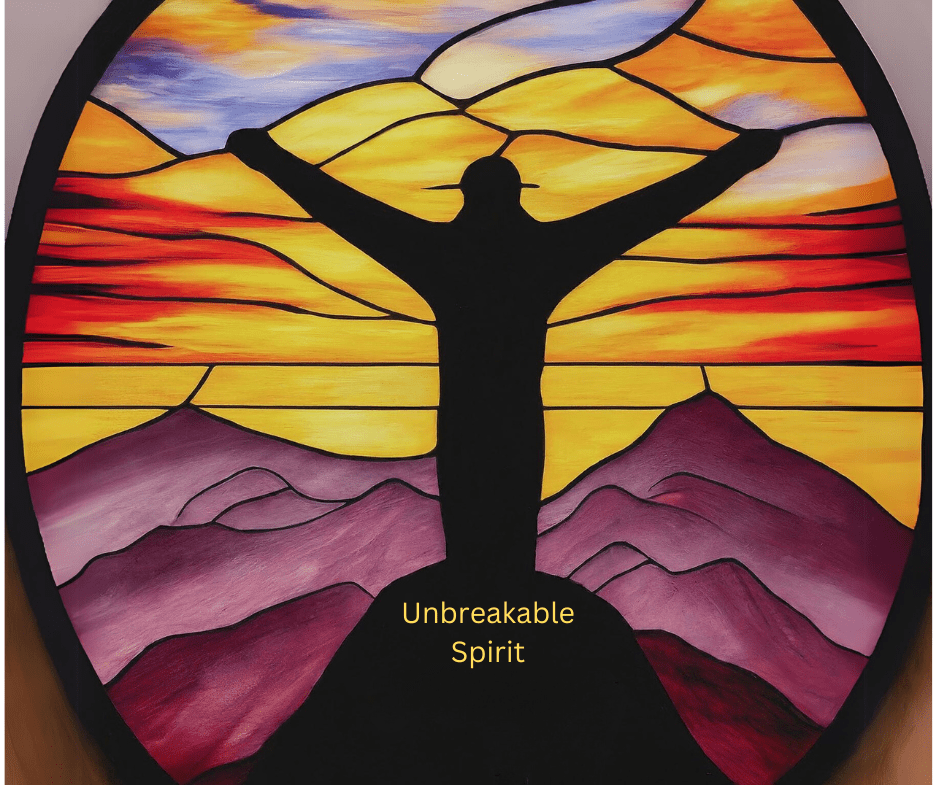
An Unbreakable Spirit: A Gift from God Through Christ.

Father, I pray whoever is reading this, that your divine power and love be filled in their minds, heart and souls in Jesus’s Name.

Life can be unpredictable. We encounter joy, sorrow, triumph, and struggle. During these challenging times, it’s easy to feel overwhelmed and lose sight of hope. However, for those who walk with faith in Christ, there’s a source of strength: an unbreakable spirit.

This unbreakable spirit isn’t about our own willpower or determination. It’s a gift from God, bestowed upon us through his Son, Jesus Christ. Through faith, we connect with a power far greater than ourselves, a power that equips us to face any obstacle life throws our way.

The Bible overflows with verses that speak to this strength. Three Proverbs that offer specific guidance on cultivating an unbreakable spirit in Christ:

1. Proverbs 3:5-6: “Trust in the Lord with all your heart and lean not on your own understanding; in all your ways submit to him, and he will make your paths straight.”

This proverb reminds us to rely on God’s wisdom above our own. When we face challenges, it’s tempting to rely solely on our limited perspective. But by trusting in God and surrendering our worries to him, we gain access to his infinite wisdom and guidance. This trust fosters an unbreakable spirit because we know we’re not facing difficulties alone.

2. Proverbs 18:10: “The name of the Lord is a strong tower; the righteous run into it and are safe.”

Here, the proverb compares God’s name to a strong tower, a place of refuge and protection during storms. When trials come our way, we can run to God for shelter. His presence offers a sense of security and peace, reminding us that even in the midst of hardship, we are safe in his hands. This knowledge strengthens our spirit and allows us to persevere.

3. Proverbs 24:16: “For though the righteous fall seven times, they rise again, but the wicked stumble by one setback.”

Life is filled with setbacks. We will stumble and fall. But this proverb assures us that the righteous, those who walk with God, possess the resilience to rise again, no matter how many times they fall. This resilience is a testament to the unbreakable spirit nurtured by faith. We know that with God’s help, we can overcome any obstacle and emerge stronger.

These are just a few of the many verses that offer guidance and strength. Remember, the Bible is a treasure trove of wisdom waiting to be explored. As you delve deeper into scripture, you’ll discover countless verses that will speak to your specific needs and help you cultivate your unbreakable spirit in Christ.

An unbreakable spirit isn’t about the absence of challenges; it’s about facing them with unwavering faith and the knowledge that you are not alone. With Christ by your side, you possess the strength to overcome any obstacle and live a life filled with purpose and hope.

Remember, Satan is a Liar!!

The Plank in Our Own Eye: Why We Should Ditch Judgment When We’re Still Growing:

Father, I pray whoever is reading this, that your divine power and love be filled in their minds, hearts and soul In Jesus’s Name

We’ve all been there – judging others harshly while overlooking our own flaws. Explore why this is a roadblock to personal growth and how the Bible encourages compassion and self-reflection, with additional scriptures for deeper understanding. you ever found yourself silently criticizing someone’s actions or choices? Perhaps it was a neighbor’s cluttered yard, a colleague’s unconventional outfit, or a friend’s seemingly impulsive decision. Judging others is a common human experience. Often, it stems from a desire to feel superior or a need to maintain a certain standard. However, in the pursuit of feeling good about ourselves, we often miss a crucial point: when we judge others, we neglect to address the “plank in our own eye” (Matthew 7:5).

The Duality of Human Nature:

The Bible acknowledges our tendency to judge. In Matthew 7:1-2, Jesus warns us, “Do not judge, or you will be judged. For with the same judgment you pronounce, you will be judged, and with the measure you use, it will be measured to you.” Here, Jesus highlights the duality of human nature. We are all prone to both judging others and being judged ourselves. Perhaps reflecting on this principle can encourage us to pause before casting a critical eye.

Judgment as a Roadblock to Growth:

More importantly, focusing on the flaws of others hinders our own personal growth. When we spend time dissecting someone else’s choices, we lose valuable energy that could be directed towards self-improvement. Instead of analyzing every decision someone else makes, we could be reflecting on our own areas for improvement.

Catalyst for Self-Reflection:

At its core, promotes introspection and self-reflection. The Bible emphasizes the importance of looking inward and acknowledging our own shortcomings. James 1:22-24 reminds us, “But be doers of the word, and not hearers only, deceiving yourselves. For if anyone is a hearer of the word and not a doer, he is like a man who observes his natural face in a mirror; for he observes himself and goes away and immediately forgets what sort of man he was. But the one who looks intently into the perfect law of freedom, and continues in it, not being a forgetful hearer but an effective doer, this man will be blessed in his doing.”

Scriptures on Self-Reflection:

  • Proverbs 24:12: “If you say, ‘I am innocent!’ you deceive yourself. The Lord knows your heart.”
  • Romans 2:1-3: “Therefore you have no excuse, O man, every one of you who judges. For in whatever you judge another, you condemn yourself; for you who judge practice the same things. And do you think you will escape the judgment of God, O man who passes judgment on those who practice such things and yet do them yourself?”

Compassion Over Condemnation:

Instead of judging, the Bible encourages us to approach others with compassion. The parable of the Good Samaritan (Luke 10:25-37) serves as a powerful reminder of this principle. In the story, a religious leader criticizes a Samaritan for helping a wounded traveler, while a priest and a Levite simply pass him by. Jesus commends the Samaritan’s act of compassion, challenging the notion of who our true neighbors are. Similarly, we can choose to embrace compassion over condemnation, extending kindness even to those who don’t necessarily deserve it.

Shifting Our Focus:

So, how can we shift our focus from judgment to self-reflection and compassion? The next time you find yourself critiquing someone, try asking yourself these questions:

  • What insecurities or biases might be fueling this judgment?
  • Is there anything I can learn from this person’s choices?
  • How can I show compassion in this situation?

The Journey Towards Empathy:

It takes conscious effort and a willingness to see the world from different perspectives. But by embracing self-reflection and compassion, as encouraged by the Bible we can create a more positive and supportive environment for ourselves and those around us.

  • Beyond Criticism: Cultivating Compassion in a Judgmental World (Inspired by the Parable of the Good Samaritan)
  • The Plank in Our Own Eye: Faith and the Power of Self-Awareness (Inspired by Matthew 7:5)

Remember Satan is a liar!!

Out with the Old, In with the New (But Still Kind of Lame):

Father, I pray whoever is reading this, that your divine power and love be fill in their minds hearts and souls In Jesus Name.

Feeling stuck in your journey? The Bible reminds us that becoming a Christian is a transformation, not a destination. We’re still human, but with God’s help, we can shed the “old self” and embrace the “new creation” He makes us in Christ. Let’s explore scriptures and practical tips to be immovable!

We’ve all heard the saying, “Out with the old, in with the new!” It’s a common refrain for spring cleaning, a new haircut, or maybe even a fresh start in life. But what about our journey? The Bible beautifully captures this concept of transformation when we become Christians.

Ephesians 4:22-24 tells us: “In regard to your former way of life, you must put off the old self, which is being corrupted by its deceitful desires; to be made new in the attitude of your minds; and to put on the new self, created to be like God in true righteousness and holiness.” (NIV)

Becoming a Christian is more than just checking a box or saying a prayer. It’s a continual process of shedding the “old self” – our sinful nature, negative thoughts, and patterns that don’t align with God’s will. In its place, we are called to embrace the “new self” – a Christ-like character marked by righteousness, holiness, and a renewed mind.

But here’s the thing: we’re still human. We mess up. We have bad days. We sometimes feel like the same old “lame” version of ourselves, even after accepting Christ. Romans 7:15-19 perfectly captures this struggle: “For I do not understand what I do. For what I want to do I do not do, but what I hate I do. And if what I do not want to do I do, I agree with the Law, that the good is the course for me to take. So then, it is no longer I who do it, but sin that dwells within me.” (NIV)

So, what do we do when we feel stuck in this cycle? Here are a few encouraging thoughts from the Bible and practical tips to keep growing in your journey:

  • Embrace the Journey: 2 Corinthians 5:17 reminds us, “Therefore, if anyone is in Christ, the new creation has come: The old has gone, the new is here!” (NIV) Becoming a “new creation” is a journey, not a destination. There will be setbacks, but God is faithful and ever-present to help us get back on track.
  • Focus on Christ: Colossians 3:2 says, “Set your minds on things above, not on earthly things.” (NIV) When we focus on worldly desires and distractions, it’s easy to lose sight of our goal – becoming more like Christ. Make intentional time for prayer, Bible study, and worship to keep your heart and mind centered on Him.
  • Forgive Yourself: Holding onto grudges and guilt can be a major roadblock to growth. 1 John 1:9 assures us, “If we confess our sins, he is faithful and just and will forgive us our sins and purify us from all unrighteousness.” (NIV) Confess your shortcomings to God, ask for forgiveness, and extend the same grace to yourself.
  • Celebrate the Small Victories: Growth in Christ is often a slow and steady process. Don’t get discouraged by the occasional stumbles. Celebrate the small victories – resisting a temptation, showing kindness, overcoming a fear. These moments are a testament to God’s work in your life.

The Christian life isn’t about pretending to be perfect. It’s about acknowledging our flaws, seeking God’s transformative power, and striving to become more like Him each day. With faith, perseverance, and God’s grace and mercy, we can truly shed the “old self” and embrace the new creation we are in Christ, even if we still have a few “lame” moments along the way.

Remember, Satan is a liar!!

Conquering Doubt: Strengthening Your Faith in Uncertain Times

Father, I pray whoever is reading this, that your divine power and love be filled in their minds, hearts, and souls In Jesus’ Name!

Have you ever gazed up at a star-filled sky and felt a slight doubt about your faith?
Maybe you’re facing a heartbreaking loss, an insurmountable challenge, or a world
grappling with uncertainty. You wonder, “Where is God in all of this?” Breathe deeply,
because you’re not alone. Doubt is a normal, even expected, part of the faith journey.
The Bible itself is a testament to this truth. It’s filled with stories of faithful people
wrestling with doubt. The Psalmist cries out in anguish, “Has God forgotten to be
gracious? Has he in anger withdrawn his compassion?” (Psalm 73:1). Even John the
Baptist, a central figure in the New Testament, sent his disciples to ask Jesus, “Are you
the one who is to come, or should we look for another?” (Matthew 11:3).
Doubt can be a thief of joy, a voice whispering negativity and questioning our beliefs.
But it doesn’t have to be the end of the story. Doubt, when navigated with honesty and
faith, can lead to a deeper and more resilient connection with God.
Understanding Doubt
First, let’s acknowledge that doubt comes in many forms. It could be intellectual doubt,
questioning the validity of certain religious teachings or historical events. It might be
emotional doubt, struggling to reconcile a loving God with the suffering in the world.
Sometimes, doubt arises from personal experiences – unanswered prayers, broken
promises, or a feeling of disconnection from God.
Turning Doubt into a Stepping Stone
So, what do we do when doubt creeps in? Here are a few ways to turn it into a stepping
stone for strengthening your faith:

  • Embrace Honesty: Don’t be afraid to acknowledge your doubts. Suppressing
    them only gives them power. Talk to God about them in prayer. Write them down
    in a journal. Sharing them with a trusted friend, mentor, or spiritual leader can be
    a powerful step towards clarity.
  • Seek Scripture: The Bible is an anchor in times of uncertainty. Immerse yourself
    in scripture that affirms God’s faithfulness and promises. Hebrews 11:1 reminds
    us that “faith is the assurance of things hoped for, the conviction of things not
    seen.” Read stories of individuals who faced doubt and emerged stronger, like
    Abraham venturing into the unknown at God’s call, or Job clinging to faith amidst
    immense suffering.
  • Engage in Active Prayer: Prayer is a powerful tool for communication with God.
    When doubt arises, don’t let it silence your prayers. Express your confusion, your

worries, your honest questions. Let God know you’re seeking Him and need His
guidance (Ask God for wisdom and discernment: James 1:5).

  • Seek Inspiration: Surround yourself with stories of others who have overcome
    doubt. Read biographies of influential Christians who grappled with faith
    questions but emerged with a deeper understanding. Listen to podcasts or attend
    talks featuring testimonies of individuals who navigated periods of doubt and
    found renewed strength in their faith. These stories can be a powerful reminder
    that doubt doesn’t have to be the end of the journey.
  • Embrace Your Faith Community: Sometimes, all we need is a listening ear and
    a supportive hand. Don’t isolate yourself when doubt arises. Reach out to your
    faith community. Talk to a trusted friend, mentor, or spiritual leader. Sharing your
    struggles can provide a sense of connection, offer new perspectives, and remind
    you that you’re not alone in your journey.
    Recommended Resources:
  • Online Faith-based Resources: Now showing on Amazon Prime:
    David and Bathsheba. Executive Producers Kenya Cagle and
    Bishop Johnny RayYoungblood. David is a central figure in the
    Bible, known for his faithfulness to God despite facing many
    challenges. David’s faith serves as an inspiration for
  • Believers who trust in God’s plan.

You’re Not Alone:
The journey of faith is rarely a straight line. There will be mountaintops of joy and
valleys of doubt. But doubt doesn’t have to define your faith. By acknowledging its
presence, seeking encouragement from Scripture and stories, and leaning on your faith
community, you can turn doubt into a stepping stone toward a deeper and more resilient
faith. Share your experiences in the comments below! Have you ever experienced a
period of doubt in your faith? How did you navigate those challenges? What resources
helped you find your way back to a place of stronger faith? By sharing our struggles and
offering support to one another, we can all grow stronger in our faith journeys.

Remember, Satan is a liar!

The Power of Forgiveness: Letting Go for a Lighter You…

Father, I pray whoever is reading this, that your divine power and love be filled in their minds, hearts, and souls. In Jesus’ Name.

Forgiveness is a gift, not just to others, but to ourselves. Learn how to release
burdens and find inner peace, even when forgiveness feels difficult.
We’ve all been hurt by someone. The idea of letting go of that hurt and anger
can feel almost impossible. But here’s the truth: forgiveness isn’t about the
other person; it’s about you.
The Bible tells us in Matthew 6:14-15: “For if you forgive other people when
they sin against you, your heavenly Father will also forgive you your sins. But
if you do not forgive other people their sins, your Father will not forgive your
sins.” Holding onto unforgiveness is like carrying a heavy weight around. It
can make us bitter, angry, and trapped in the past.
Here’s the good news: forgiveness is a gift you give yourself. It’s about
releasing the burden of negativity and choosing to move forward in peace. But
how do we do it? Let’s unpack this powerful concept and explore ways to
forgive, even when it feels challenging.
Understanding Forgiveness
First things first, let’s clear up some misconceptions. Forgiveness doesn’t
mean:
 Forgetting what happened: The hurt caused may leave a mark, but
forgiveness allows you to acknowledge it without dwelling on it.
 Condoning the other person’s actions: What they did was wrong,
and forgiveness doesn’t erase that.
 Reconciliation: Forgiveness can happen without rekindling a
relationship with the person who hurt you.
The Benefits of Letting Go
Now, let’s talk about the beautiful benefits of forgiveness. When you forgive,
you:
 Free yourself from negativity: Holding onto anger and resentment is
exhausting. Forgiveness allows you to release those toxic emotions and
experience inner peace.

 Improve your physical and mental health: Studies have shown that
forgiveness can lower blood pressure, reduce stress, and even boost
your immune system.
 Open yourself to new relationships: When you’re weighed down by
unforgiveness, it can be hard to form healthy, trusting relationships.
Letting go allows you to connect with others on a deeper level.
 Experience greater joy and happiness: Letting go of negativity allows
you to focus on the positive aspects of your life and cultivate joy.
The Steps to Forgiveness
Okay, we’ve established that forgiveness is a powerful tool for healing and
happiness. But how do you put it into practice, especially when the hurt feels
raw? Here are some steps to guide you:

  1. Acknowledge Your Hurt: Before you can forgive someone, you need
    to acknowledge the pain they caused you. This doesn’t mean dwelling
    on it, but allowing yourself to feel the emotions – anger, sadness,
    betrayal – is a healthy first step. Bottling up emotions can hinder the
    forgiveness process.
  2. Make the Decision to Forgive: This is a conscious choice you make
    for yourself. It doesn’t lessen the seriousness of what happened, but it
    demonstrates your commitment to moving forward in a healthier way.
  3. Focus on the Benefits of Forgiveness: Remind yourself why you’re
    choosing to forgive. Think about the peace, freedom, and joy that awaits
    you on the other side of resentment.
  4. Practice Compassion: Try to see things from the other person’s
    perspective. This doesn’t mean excusing their actions, but
    understanding their motivations can sometimes lessen the sting of the
    offense.
  5. Seek Support: Talking to a trusted friend, therapist, or spiritual leader
    can be a great source of strength and guidance as you work through
    forgiveness. They can offer a listening ear and helpful advice.
    Remember, Forgiveness is a Journey, not a Destination
    Forgiving someone can be a gradual process. There will be times when the
    anger resurfaces, and that’s okay. Be patient with yourself. Some hurts may
    take longer to forgive than others. The important thing is to keep moving
    forward, one step at a time.
    Finding Forgiveness in Faith

Many people find strength and guidance in their faith when dealing with
forgiveness. The Bible is filled with verses that emphasize the importance of
forgiveness (Colossians 3:13, Ephesians 4:31-32). Prayer can be a powerful
tool for processing your emotions and seeking God’s guidance in the
forgiveness process.
Letting go of anger and resentment can feel daunting, but the rewards of
forgiveness are truly life-changing. By following these steps and drawing from
your faith, you can break free in Jesus’s Name.

🙏🙏🙏

Remember, Satan is a Liar!!